
The holidays have a way of showing you things. You walk back through the door you grew up with, and for the first few hours it’s all warmth and noise and the same old jokes. Then, somewhere between the main course and the washing up, a small thought lands and won’t quite leave. Mum seems slower. Dad told that story twice. The house isn’t quite as kept as it used to be.
If a visit home has left you with that flicker, you’re in very good company, and you’re not inventing it. The holidays are often the first time in months that a scattered family is in one room long enough to really see each other. That’s exactly why they’re when so many of us first notice a parent has aged more than any phone call let on.
This isn’t a guide to panicking at the dinner table. It’s a calm way to think about what you saw: how to tell real change from the ordinary fog of a tiring few days, what to make of the fact that your brother thinks you’re imagining it, and whether to say something now or wait until the decorations come down.
Key Takeaways
- The holidays are when families notice, because they’re often the only time you see a parent in a long, concentrated stretch. Across the EU, 40% of women over 65 live alone (Eurostat, 2019), so much of their daily life happens where no one is watching.
- A short visit can mislead you in both directions: a parent often rallies for guests, and everyone is tired and off their routine. Weigh the pattern, not one foggy afternoon.
- You and your siblings may honestly have seen different parents. The one who visits often sees the decline; the one who parachutes in sees the performance. That gap, not stubbornness, is what starts most arguments.
- In a US survey, 1 in 5 people noticed a decline in an older loved one over the holidays, and 1 in 3 who noticed changes planned to wait and see (Home Instead, 2024). Waiting is fine. Just make it a choice, not avoidance.
Why the holidays are when families notice
Most of the year, you get your parent in slices. A phone call where they sound like themselves. A video chat framed to the shoulders up. It’s easy for a lot to stay hidden in those slices, especially when a parent lives alone, as 40% of EU women over 65 do (Eurostat, 2019). The daily reality, the quiet skipped meals, the post piling up, happens where no one can see it.
Then the holidays arrive and hand you the whole picture at once. You’re in the house for days, not minutes. You see the fridge, the stairs, the stack of letters, the way they move around a kitchen they’ve run for forty years. Concentrated like that, a change that crept up slowly can land all at once, and it can be a shock.
You’re far from the only one it lands on. In a 2024 US survey, one in five people said they noticed a decline in an aging loved one’s wellbeing while together over the holidays (Home Instead, 2024). It’s common enough that care providers have a name for the pattern that follows: the quiet rush of worried families reaching out in January, once everyone’s home and the visit has sunk in.
A holiday visit can fool you, in both directions
Here’s the part that makes a visit tricky to read, and it’s worth knowing before you draw any conclusions. A few days at home is a distorting lens. It can hide a real problem, and it can invent one that isn’t there.
It hides problems because of something caregivers see again and again: a parent rallies for company. They put on their good clothes, they’re lifted by the grandchildren, they rise to the occasion for a few hours the way people do. It’s genuine, and it’s also not the whole truth. The person beaming at the table on Christmas Day may be exhausted and struggling by the 27th, long after you’ve driven home.
And it invents problems because the holidays are genuinely disorienting for everyone. The routine is gone, the house is full, the days are long and loud. A parent who seems foggy and forgetful after three days of hosting may simply be worn out, the same way you are. One tired, chaotic afternoon is not a diagnosis.
So the trick is to separate the holiday noise from the real signal. A rough guide:
| Easy to misread over one visit | Worth a quiet follow-up |
|---|---|
| Tired and foggy after days of hosting | Confused doing something routine they’ve done for years |
| Forgot a name across a loud, crowded table | Lost the thread of the same story within one chat |
| The house messier than usual, with everyone home | The fridge bare, or food long past its date, when you look |
| Quiet because the grandchildren are exhausting | Dropped the hobbies and friends they used to light up about |
| An off day after a bad night’s sleep | A steady change from the parent you knew last year |
The column on the right isn’t about one bad moment. It’s about a shift from how your parent used to be, the kind that’s still there when the guests have gone. If you want the fuller version of what to look for, we go through it calmly in the signs an aging parent needs more help.
Why you and your sibling saw different parents
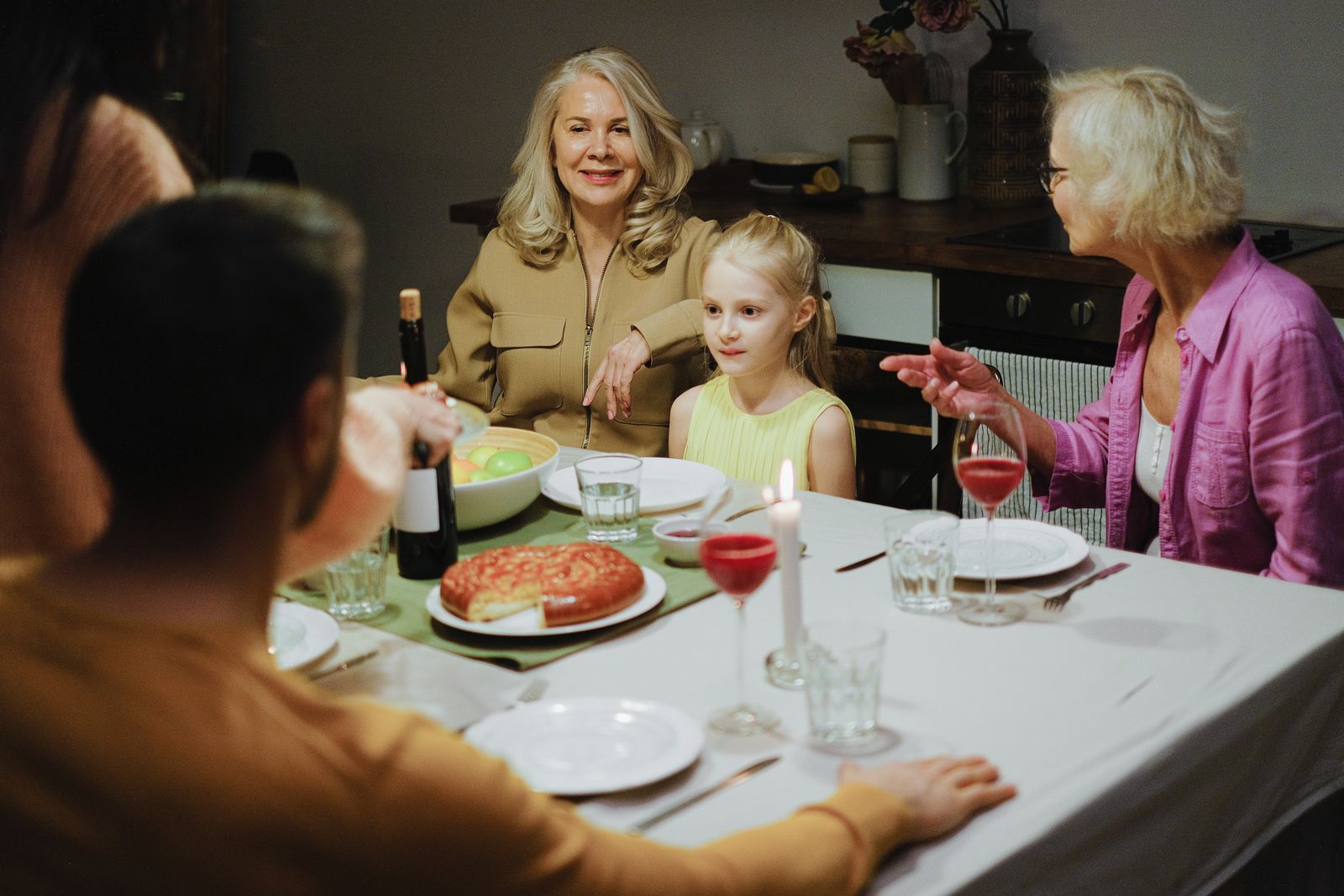
Here’s where it gets tender. You come away from the visit quietly alarmed. Your sister says you’re overreacting, Mum was on great form. You’re both being honest. You genuinely saw different parents.
Part of it is that rally effect: a parent often performs hardest for the relative they see least, so the sibling who visited for one shiny afternoon caught the performance, while the one who’s been on the weekly calls has been watching the slow slide for months. Part of it is simple proximity. Whoever is closest, physically or by phone, carries a picture the others don’t have. The disagreement usually comes down to genuinely different evidence, rather than denial or stubbornness.
It’s also common. In one US survey, nearly 3 in 10 families disagreed about which care options were best, and a third said conversations about care were among the hardest parts of the whole thing (A Place for Mom, 2025). So if the dinner table got tense, you haven’t got an unusually difficult family. You’ve got a normal one.
It matters because the load rarely splits evenly. In Europe, families provide about 80% of long-term care themselves (Eurocarers), and it usually settles on one adult child, most often a daughter. All the more reason to get this conversation right.
A few things make these conversations go better:
- Compare notes on facts, not verdicts. “Mum left the hob on twice this week” travels further than “Mum can’t cope.” Specifics are harder to wave away, and they’re what a doctor will actually want.
- Assume good faith in the sibling who disagrees. They’re not callous. They just saw a good day. Walk them through what you saw, concretely, rather than arguing about the conclusion.
- Give the distant sibling a real job, not a vague ask. “Can you help more?” goes nowhere. “Can you handle the pharmacy and research local options?” gives someone who feels helpless a way to actually help.
- Let a neutral person break the tie. When siblings are stuck, a GP or family doctor who’s seen the parent can say the thing none of you can, and it lands differently coming from them.
Say something now, or wait?

This is the question that follows you to the car. Do you raise it now, while you’re all together, or hold it until the season’s over?
Most of the time, the heavy conversation is better held, not had on the spot. The holidays are an emotionally loaded, exhausting, public moment, exactly when a worried parent is most likely to feel ambushed and dig in. There’s no need to turn Boxing Day into an intervention. Waiting a week or two for a calm, private moment is usually the wiser move, and a very normal one: a third of people who notice changes decide to wait and watch (Home Instead, 2024).
The danger isn’t waiting. It’s letting “wait” quietly become “forget.” The visit fades, normal life swallows you, and by spring the whole thing has softened into a vague unease you never acted on. So let waiting be a decision, with a date on it, not a way of avoiding the discomfort.
The simplest thing to do in the moment is also the most useful: notice the car-ride-home instinct, the urge not to say it out loud because saying it makes it real, and do the opposite. Write it down. Three or four concrete things you actually saw, while they’re fresh. That short list is what turns an uneasy feeling into something you and your family can act on calmly later.
What to do with what you noticed
You don’t need a ten-year plan by New Year. A few small, calm steps are plenty.
- Write down the specifics. Not “Dad seemed off”, but “Dad wore the same jumper three days and couldn’t follow the card game he taught me.” Facts, while they’re fresh, are what a doctor will actually want.
- Compare notes with whoever else was there. Quietly, away from the parent and away from blame. You’re building one shared picture, not winning an argument.
- Then take it to their doctor, calmly, after the season. Many things that look like decline turn out to be reversible, so a GP is the right first step rather than a confrontation. What to steady first, and how to raise it without a row, is laid out in the signs an aging parent needs help and how to talk to a parent who refuses help.
Most of what you’ll notice is not an emergency, it calls for attention over the coming weeks, not alarm on the night. A few things do warrant acting sooner, a hidden fall, the hob left on, sudden confusion that comes on over hours, or not eating, and the signs post covers which is which. Short of those, you have more time than the drive home makes it feel.
Frequently Asked Questions
I only see my parent at the holidays. How do I tell real decline from them just being tired?
Look for a change from how they used to be that’s still there under the holiday chaos, rather than a single foggy afternoon. Being worn out after days of hosting is normal. Struggling with something routine they’ve always done, getting lost in a familiar task, or a clear slide from last year is the kind of thing worth following up. Weigh the pattern, not one tired evening, and write down the specifics while they’re fresh.
My sibling thinks I’m overreacting, Mum seemed fine to them. Who’s right?
Quite possibly both of you. Parents often rally for the relative they see least, so a sibling who visited for one afternoon may have genuinely seen a good day, while you’ve watched the slower slide. More often than not, you’re simply working from different evidence. Walk them through the concrete things you saw rather than arguing about the conclusion, and if you’re still stuck, let the parent’s doctor be the neutral tie-breaker.
Should I bring up my concerns during the holiday or wait?
Usually wait, but not forever. The holidays are an emotionally charged, public moment when a worried parent is most likely to feel ambushed. A calm, private conversation a week or two later tends to go far better. The one trap to avoid is letting “wait” drift into “forget”, so put a date on it and keep the short list of what you noticed.
What should I actually look for on the visit?
Glance, don’t investigate. A short visit shows you the practical things best: the state of the fridge and the post, how steady they are on the stairs, and any clear shift in mood or weight. One thing is usually just life; several together, or a change from last year, is worth a quiet follow-up. Rather than list it all here, our guide to the signs an aging parent needs help walks through each area.
My parent lives alone and far away. What can I do once I’ve left?
Build a few light, reliable ways to stay in touch so you’re not relying on the next holiday to find out how they are. Enlist a neighbour or their GP, set up regular calls, and make the practical things, like medication, easier to confirm from a distance. Our long-distance caregiver’s guide goes through how to turn constant wondering into calm knowing.
The quiet version of noticing
Strip it back and this is simpler than the drive home makes it feel. The holidays showed you something because, for once, you were there long enough to see it. Give the visit its due, while remembering that a few concentrated days can both reveal and exaggerate. Trust the overall direction over any single hour of it. Compare notes gently with the people who were also there, and when you act, start small and start with their doctor.
You don’t need every answer by New Year. You need a short, honest list of what you actually saw, and the willingness not to let it quietly fade by spring. Noticing isn’t interfering, and a little worry isn’t overstepping. It’s just love paying attention from across a dinner table, which is no small thing.
If the part that would steady you most is simply knowing, after you’ve driven home, that a parent living alone is okay day to day, that quiet reassurance is what Carely is built for: gentle reminders for them, calm confirmation for you, and no account for the person being cared for. One worry switched off, so the rest of the year feels less like holding your breath between visits.
Sources
- Eurostat, Ageing Europe, 4 in 10 women aged 65 or over live alone, published 2020 (2019 data). Retrieved 2026-11-06. https://ec.europa.eu/eurostat/web/products-eurostat-news/-/ddn-20200623-1
- Home Instead / TRUE Global Intelligence, survey of 1,006 US adults (1 in 5 noticed a decline in an older loved one over the holidays; 1 in 3 who noticed changes plan to wait). US data. Retrieved 2026-11-06. https://www.homeinstead.com/news-and-media/1-in-5-americans-see-decline-in-loved-one-over-holidays/
- A Place for Mom, Spring 2025 Senior Care Search Trends Survey (28% of families disagree about care options; 33% say care conversations are among the hardest), reported via Stacker. US data. Retrieved 2026-11-06. https://stacker.com/stories/parenting-family/when-families-disagree-senior-care-how-find-common-ground
- Eurocarers, About carers (informal carers provide about 80% of long-term care in Europe). Retrieved 2026-11-06. https://eurocarers.org/about-carers/